Valentine’s Day in India has evolved beyond restaurant reservations and candlelight dinners outside. More couples are choosing to cook something special at home—whether it’s a rich chocolate dessert, smoky kebabs, or a carefully baked cake made with love.
But here’s the truth every home cook learns the hard way:
romantic recipes fail when temperature is guessed, not measured.
Burnt chocolate, dry kebabs, undercooked meat, or sunken cakes can quickly turn a heartfelt effort into disappointment. The difference between “almost perfect” and “absolutely perfect” often comes down to one overlooked detail—temperature precision.
From melting chocolate to grilling kebabs, this guide explores Valentine’s Day foods that demand accurate temperature control, along with the ideal temperatures and practical tips. If you’re cooking to impress, a digital food thermometer might just be your secret ingredient.
Why Temperature Precision Matters in Valentine’s Day Cooking

Valentine’s meals usually involve recipes that are:
- Rich in dairy or chocolate
- Protein-heavy (meat, paneer, fish)
- Time-sensitive and technique-driven
In Indian kitchens, many cooks rely on experience and visual cues—but certain foods don’t forgive guesswork.
Using a food thermometer helps:
- Prevent overcooking or undercooking
- Maintain consistent texture and flavour
- Ensure food safety, especially for meat
- Reduce stress when cooking for someone special
When emotions are high and expectations higher, precision makes all the difference.
Chocolate Desserts – Love Can Melt, Chocolate Shouldn’t Burn 🍫
Chocolate is the star of Valentine’s Day desserts—but it’s also one of the most temperature-sensitive ingredients in the kitchen.
Ideal Temperatures for Melting & Tempering Chocolate
- Dark chocolate: 45–50°C
- Milk chocolate: 40–45°C
- White chocolate: 38–43°C
Exceed these ranges, and chocolate can seize, turn grainy, or lose its glossy finish.
Common Chocolate Mistakes at Home
- Overheating on direct flame
- Microwaving without temperature checks
- Adding ingredients when chocolate is too hot
How a Food Thermometer Helps

A digital kitchen thermometer ensures:
- Even melting without burning
- Perfect texture for truffles, brownies, lava cakes, and chocolate-dipped fruits
- Professional-looking results at home
For Valentine’s desserts, chocolate deserves patience—and precision.
Kebabs & Tikkas – Juicy, Smoky, and Perfectly Cooked 🔥
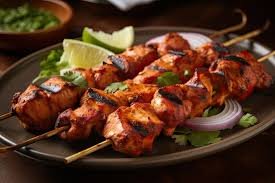
Kebabs are a popular Valentine’s dinner choice in India—romantic, indulgent, and ideal for sharing. But kebabs are also where most home cooks go wrong.
Internal Temperature Guide for Popular Kebabs
- Chicken kebabs: 74°C
- Mutton kebabs: 70–75°C
- Fish tikka: 63°C
- Paneer tikka: 60–65°C
A kebab can look beautifully charred on the outside and still be undercooked inside.

Why Visual Cues Aren’t Reliable
- Marinades darken quickly
- High heat browns food before it cooks through
- Overcooking dries out meat and paneer
Thermometer Tip for Home Grilling
Insert the probe into the thickest part of the kebab, avoiding skewers or bones. This ensures accurate readings and perfectly cooked results.
Steaks & Pan-Seared Dishes – For the Confident Home Chef 🥩
Steaks and pan-seared dishes are becoming increasingly popular in Indian home kitchens, especially for special occasions like Valentine’s Day.
Steak Doneness Temperature Guide
- Rare: 52°C
- Medium-rare: 57°C
- Medium: 63°C
- Well done: 70°C+
Guessing doneness by touch often leads to disappointment—especially when cooking for someone else.
Why Pan Temperature Matters
- Too hot → burnt exterior, raw centre
- Too cool → soggy texture, no sear
A thermometer helps you monitor both pan heat and internal meat temperature, giving restaurant-quality results at home.
Romantic Bakes – Cakes & Desserts That Can’t Be Guessed 🎂
Baking is often the most emotional Valentine’s gesture—but also the most unforgiving.
Ideal Internal Temperatures for Bakes
- Cakes: 95–98°C
- Brownies: 88–92°C
- Cheesecake: 65–68°C
The classic toothpick test isn’t always reliable—especially for dense or chocolate-heavy desserts.
Why Internal Temperature Is Key
- Prevents underbaked centres
- Avoids dry, overbaked edges
- Ensures consistent texture every time
Using a baking thermometer takes the anxiety out of gifting homemade desserts.
Valentine’s Day Cooking Checklist: Temperatures You Must Get Right
Before you start cooking, keep this checklist in mind:
- Chocolate melting temperature ✔️
- Internal kebab and meat temperature ✔️
- Baking doneness temperature ✔️
- Pan and oil heat levels ✔️
Many home cooks find it helpful to keep a temperature reference chart nearby—especially when cooking multiple dishes.
Why a Food Thermometer Is the Ultimate Valentine’s Day Kitchen Companion
A food thermometer isn’t just a tool—it’s peace of mind.
It helps you:
- Cook confidently, not nervously
- Achieve professional-level results at home
- Avoid food safety risks
- Save time and ingredients
It also makes a thoughtful Valentine’s gift for anyone who loves cooking, baking, or experimenting in the kitchen.
Whether you’re grilling kebabs, baking a cake, or melting chocolate, precision turns effort into excellence.
Because Love Deserves the Right Temperature ❤️
Valentine’s Day cooking isn’t about fancy ingredients or complicated recipes—it’s about care, attention, and getting the details right.
From silky chocolate desserts to juicy kebabs and perfectly baked cakes, temperature precision ensures your food reflects the love you put into it.
This Valentine’s Day, don’t rely on guesswork.
Measure the temperature. Master the moment. Impress the one you love.