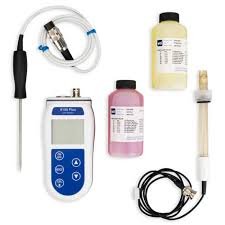
pH Meters: Ensuring Safety, Quality, and Consistency in Food Production
In the food industry and culinary world, consistency and precision are critical for creating high-quality products and dishes. One essential tool that helps achieve this precision is the pH meter. Whether in food manufacturing, quality control, or professional kitchens, pH meters play a crucial role in ensuring food safety, preserving flavors, and improving product quality.
In this blog, we’ll explore how pH meters in the food industry are used for various applications, including their role in food safety, fermentation control, and quality assurance.
What is a pH Meter and Why Is It Important in Food Production?
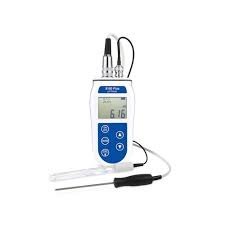
A pH meter is a scientific instrument used to measure the acidity or alkalinity of liquids, with pH values ranging from 0 (very acidic) to 14 (very alkaline). The pH level of food products can significantly affect their taste, texture, and shelf life. In the food industry, precise pH measurements are necessary for maintaining consistency, quality, and safety.
Monitoring pH is essential because it influences:
- Microbial growth: pH affects the environment in which bacteria and other microorganisms thrive. By controlling pH, food manufacturers can prevent contamination and spoilage.
- Fermentation: Many food products, like yogurt, beer, and pickles, rely on controlled fermentation, where the pH plays a critical role in achieving the right taste and texture.
- Food preservation: Correct pH levels help preserve food, particularly in canned and preserved products, by preventing harmful bacteria such as Clostridium botulinum from growing.
How pH Affects Food Safety and Quality
- Food Safety:
The pH level in food can determine whether harmful bacteria will grow or not. For example, many pathogens thrive in high-pH environments, which is why low-acid foods (like vegetables and meats) are carefully regulated in canning to prevent botulism. On the other hand, acidic foods (with a pH of 4.6 or lower) are less prone to bacterial growth. pH testing ensures that food products meet safety standards, particularly for products like canned vegetables, beverages, dairy products, and sauces. - Fermentation Control:
For products like yogurt, cheese, and fermented beverages, pH measurement is crucial. Fermentation is a process where bacteria or yeast break down sugars and produce acids, which lower the pH. This acidification is what gives many fermented products their distinct taste. pH meters allow manufacturers to monitor the fermentation process and stop it at the right moment to achieve the desired flavor, texture, and consistency. - Flavor and Texture:
pH also influences the flavor and texture of food. For instance, the tartness of vinegar or citrus fruits is due to their low pH, while the texture of meats can be altered by adjusting acidity during marination. In cooking, measuring pH helps chefs perfect their recipes, balancing flavors like sourness in dressings or marinades, and improving textures in dishes like sauces and custards.
How pH Meters Are Used in the Food and Cooking Industry
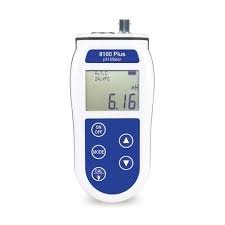
pH meters are versatile tools used at various stages of food processing and cooking. Here are some common applications in the food industry:
1. Quality Control in Food Manufacturing
In large-scale food production, pH testing is an integral part of the quality control process. From ensuring safe acidity levels in canned foods to maintaining the right pH balance in dairy products and beverages, pH meters help manufacturers deliver consistent, safe, and high-quality products. For instance, in dairy production, the pH of milk and cheese curds must be monitored carefully to ensure the final product has the right texture and flavor.
2. Fermentation and Brewing
Fermentation is key to the production of foods like yogurt, cheese, beer, and sauerkraut. pH meters help control the fermentation process, ensuring that the product reaches the ideal pH level at every stage. In beer brewing, for example, pH meters help maintain the proper acid levels to achieve the right flavor and fermentation rate. In winemaking, the pH of grapes and wine influences both the taste and preservation of the product.
3. Canning, Pickling, and Food Preservation
When pickling vegetables or canning fruits, controlling the pH is vital for preventing bacterial growth and ensuring the safety of the product. The pH of brine in pickling must be sufficiently low to preserve the vegetables and prevent spoilage. Canning relies on accurate pH levels to maintain product integrity and extend shelf life.
4. Cooking and Culinary Applications
In professional kitchens, pH meters for cooking are used to ensure dishes have the correct acidity. For example, chefs use pH meters to test the acidity of sauces, dressings, and marinades to create the perfect balance of flavors. Pastry chefs also rely on pH measurements to monitor reactions in baking, ensuring products like cakes and bread rise and develop the right texture.
Types of pH Meters for Food Industry Applications
There are several types of pH meters available, each designed for specific food industry applications. Here’s a look at the different types:
- Benchtop pH Meters: These are high-accuracy instruments commonly used in laboratories and industrial food processing plants. They provide precise readings and are ideal for large-scale pH testing.
- Portable pH Meters: Smaller and more convenient, portable pH meters are perfect for on-site testing in manufacturing facilities or fieldwork, ensuring that food products are meeting pH requirements in real time.
- Pen-Style pH Meters: These handheld devices are ideal for quick testing and are commonly used in kitchens, restaurants, and small-scale food production environments. They are compact, easy to use, and cost-effective.
Choosing the Right pH Meter for Your Needs
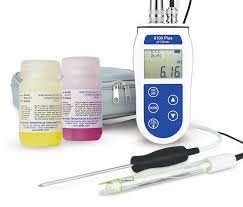
When selecting a pH meter for food applications, it’s important to consider several factors:
- Accuracy and Range: Choose a pH meter that provides accurate readings for the pH range you require. Some products, like beverages or pickles, need very precise measurements.
- Durability: Food production environments can be harsh. Opt for a pH meter that is waterproof, shock-resistant, and designed to withstand frequent cleaning and use.
- Ease of Calibration: Accurate calibration is essential for pH meters. Look for models that offer simple calibration processes and low maintenance.
- Budget: While high-end meters offer advanced features, smaller operations may prefer portable or pen-style meters, which offer great value for money.
Conclusion: Why pH Meters Are Essential in the Food Industry
In the food and cooking industry, pH meters are more than just measurement tools—they are vital for ensuring food safety, product quality, and flavor consistency. Whether you’re producing canned goods, brewing beer, or fine-tuning a gourmet dish, understanding the pH of your ingredients and products helps you create safer, better-tasting food.
By using pH meters, manufacturers and chefs can achieve greater precision in their processes, resulting in higher-quality products and a more enjoyable eating experience. In an industry where the stakes are high, these devices are invaluable for meeting both safety standards and consumer expectations.