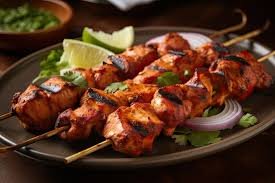
As the summer heat sets in across India, the time to fire up the grill has arrived! Grilling, barbecuing, or cooking outdoors is a favorite activity for many during the hot months, and what better way to celebrate the season than with perfectly cooked kebabs, tikkas, and grilled vegetables? Whether you’re hosting a family BBQ, enjoying a picnic, or just cooking for yourself, achieving that perfect level of doneness requires a little more than just guesswork — it needs precision.
This is where a food thermometer can make all the difference. Not only does it help you avoid overcooking or undercooking, but it also ensures that your meals are safe and delicious. In this blog, we’ll dive into the ideal grilling temperatures for a variety of popular Indian grilled dishes and why a thermometer is an essential tool for perfecting your summer BBQs.

Why Use a Food Thermometer for Grilling?
Grilling can be an art, but it also involves science. The right temperature ensures that your food is cooked through while keeping it juicy, tender, and flavorful. Here’s why a cooking thermometer is your best friend when grilling:
- Consistency: It’s easy to underestimate the time required for cooking meats, especially in outdoor conditions where temperatures can fluctuate. A thermometer helps you get consistent results every time.
- Safety: Undercooked meat, especially poultry and lamb, can lead to foodborne illnesses. A thermometer ensures your food reaches the right internal temperature, killing any harmful bacteria.
- Precision: A thermometer removes the guesswork. Whether you’re cooking fish, chicken, or paneer, it gives you the exact temperature reading for perfect results.
Best Grilling Temperatures for Popular Indian Dishes
India has a rich grilling tradition, with dishes like kebabs, tikkas, and grilled vegetables taking center stage in many homes and restaurants. But grilling these dishes to perfection requires precise temperature control. Here’s a breakdown of the ideal temperatures for various grilled Indian dishes:
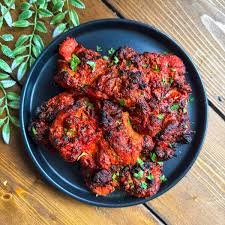
1. Chicken Tikka / Tandoori Chicken
- Ideal Internal Temperature: 75°C (165°F)
- Why: Chicken tikka and tandoori chicken are among the most popular grilled dishes in India. To achieve the perfect juicy and tender texture, it’s important to cook the chicken all the way through while avoiding dryness. A thermometer ensures that the chicken reaches the perfect internal temperature without overcooking the exterior. Make sure to check the thickest part of the chicken to confirm the temperature.
2. Mutton or Lamb Kebabs
- Ideal Internal Temperature: 70°C (160°F) for medium doneness
- Why: Mutton kebabs are usually marinated for hours to make them flavorful and tender. The key is to cook them until they’re just done—tender, juicy, and flavorful, not dry. Use a thermometer to check the internal temperature. For a medium-rare option, aim for 70°C, but if you prefer your kebabs well-done, you can go up to 80°C (175°F).
3. Seekh Kebabs
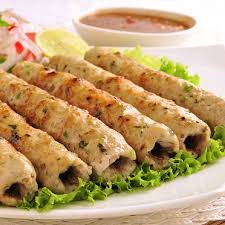
- Ideal Internal Temperature: 75°C (165°F)
- Why: Seekh kebabs, often made from minced meat, need to be cooked thoroughly to ensure that the meat is tender and fully safe to eat. A thermometer helps avoid undercooking, especially since seekh kebabs can be thin and cook fast, making it easy to miss the right temperature.
4. Grilled Fish (Fish Tikka / Tandoori Fish)
- Ideal Internal Temperature: 60°C (140°F)
- Why: Fish cooks much faster than meat, and it’s easy to overcook, turning it dry and rubbery. To keep your fish moist and flavorful, use a thermometer to ensure it’s cooked to 60°C. Whether you’re grilling pomfret, bhetki, or tandoori fish, the right temperature is crucial for keeping the fish tender and juicy.
5. Paneer Tikka
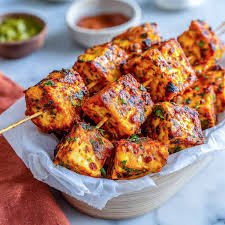
- Ideal Internal Temperature: 70°C (160°F)
- Why: Paneer tikka is a popular vegetarian option, and the key to perfect paneer tikka lies in getting the right amount of char while keeping the paneer soft and juicy inside. Check with a thermometer to ensure the paneer has reached the right temperature without becoming rubbery.
6. Grilled Vegetables (Corn, Bell Peppers, Mushrooms, etc.)
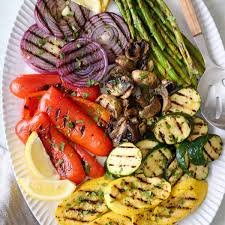
- Ideal Grilling Temperature: 180-200°C (350-400°F)
- Why: Vegetables like corn, bell peppers, and mushrooms often need to be grilled on medium-high heat for perfect tenderness and that smoky flavor. Since vegetables don’t have an internal temperature to check like meats, you can rely on the grill temperature to cook them properly. A thermometer helps you regulate the heat for even grilling.
How to Grill Like a Pro: Tips for Using a Food Thermometer
While grilling is a fun and social activity, there are a few techniques that can take your grilling game to the next level. Here’s how to use your food thermometer for flawless results:
- Preheat the Grill: Before putting your food on the grill, preheat it to the ideal temperature. This ensures that food cooks evenly from the moment it touches the grill.
- Insert the Thermometer Correctly: For meats like chicken and lamb, insert the thermometer probe into the thickest part of the meat, avoiding bones, which can give you inaccurate readings.
- Avoid Overcrowding: When grilling multiple items, avoid overcrowding the grill. This ensures even heat distribution and prevents steaming your food.
- Rest Your Food: After grilling, allow the food to rest for a few minutes. This helps redistribute the juices and keeps the meat moist.
- Use Two Zones on the Grill: For larger cuts of meat like whole chickens or lamb roasts, use two-zone cooking. Start with indirect heat to cook the food through, then finish with direct heat to get the perfect sear.
Why Grilling in India Requires Extra Attention to Temperature
Grilling in India presents some unique challenges. The high ambient temperatures during the summer can make grilling outside tricky, as the heat can affect the cooking process. Grills may also behave differently depending on the region, fuel type, and even the humidity. This is why using a thermometer is crucial, as it provides an accurate reading regardless of the external conditions.
Conclusion
Grilling is one of the most enjoyable ways to cook during the summer in India. But to get perfect kebabs, tikkas, fish, and even vegetables, you need to cook with precision. A food thermometer not only helps ensure that your food is cooked to the ideal temperature but also guarantees safety, consistency, and flavor every time.
So, the next time you’re preparing for a family BBQ or hosting friends, don’t leave your grilling to chance—use a thermometer to achieve the ideal doneness and impress your guests with your cooking skills. Whether you’re making spicy chicken tikkas, juicy mutton kebabs, or soft, smoky paneer tikkas, a food thermometer is your secret weapon for perfect grilling every time!