Food safety is an important but often overlooked aspect of home cooking. In many Indian households, it’s common to leave freshly cooked food on the kitchen counter for several hours before refrigerating it. While this may seem harmless, leaving food at room temperature for too long can increase the risk of bacterial growth and foodborne illness.
Understanding how long cooked food can safely stay at room temperature helps protect your family from health risks and ensures your meals stay fresh and safe to eat.
The Two-Hour Rule: A Simple Food Safety Guideline
Food safety experts recommend a simple rule known as the two-hour rule. Cooked food should not remain at room temperature for more than two hours.
This guideline exists because bacteria grow rapidly within a temperature range known as the Temperature Danger Zone, which ranges from 5°C to 60°C. When food sits within this temperature range for extended periods, bacteria can multiply quickly and make food unsafe to eat.
In warmer climates, like most parts of India where kitchen temperatures often exceed 30°C, the safe time limit can reduce to just one hour.
Why Leaving Food Out Is Risky
When food is cooked, many harmful bacteria are destroyed by heat. However, once the food begins cooling and sits at room temperature, bacteria from the environment can contaminate it again.
Common foodborne bacteria that can grow in improperly stored food include:
- Salmonella
- Escherichia coli infection
- Foodborne Illness
These bacteria multiply quickly when food remains in the danger zone. In some cases, the bacteria produce toxins that cannot be destroyed even by reheating the food later.
This is why storing cooked food properly is critical for maintaining food safety.
How Temperature Affects Food Safety
Temperature plays a major role in determining how long cooked food remains safe.
Here’s a general guideline:
| Room Temperature | Safe Time for Cooked Food |
|---|---|
| Below 25°C | Up to 2 hours |
| Above 30°C | About 1 hour |
| Very hot climates | Less than 1 hour |
In tropical climates like India, food left on the counter during summer can enter the danger zone quickly, allowing bacteria to grow rapidly.
Using a kitchen thermometer to check food temperature can help ensure that food is cooled and stored safely.
Examples from Everyday Indian Meals
Many common Indian foods are often left out for long periods after cooking. Let’s look at a few examples.
Rice
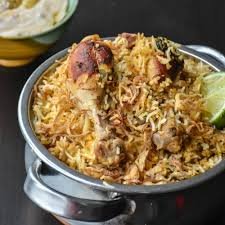
Cooked rice can develop harmful bacteria if left out too long. Bacteria spores survive cooking and multiply quickly when rice cools at room temperature.
Curries
Dishes like Butter Chicken or Dal Tadka contain moisture and protein, which create an ideal environment for bacterial growth if left outside.
Fried Snacks
Items such as Samosa and Pakora are often kept out during gatherings or tea time. While they may appear safe, bacteria can still grow if they sit too long.
Dairy-Based Sweets
Desserts like Gulab Jamun or Rasgulla can spoil quickly if not refrigerated within a safe time.
What Happens If Food Is Left Out Too Long?
If cooked food stays at room temperature beyond the recommended time limit, several things can happen:
1. Bacteria Multiply Rapidly
Within the temperature danger zone, bacteria can double in number every 20 minutes.
2. Food Starts Spoiling
The smell, texture, and taste of food may change as bacteria grow.
3. Risk of Food Poisoning Increases
Consuming contaminated food can lead to symptoms such as stomach cramps, vomiting, diarrhea, and fever.
Even if the food looks normal, harmful bacteria may still be present.
How to Safely Store Cooked Food
Following proper storage practices can help keep your meals safe and fresh.
1. Refrigerate Within Two Hours
Place leftover food in the refrigerator within two hours of cooking. If the room is very hot, try to refrigerate it within one hour.
2. Use Shallow Containers
Shallow containers allow food to cool faster, reducing the time it stays in the temperature danger zone.
3. Divide Large Portions
Instead of storing a large pot of curry, divide it into smaller containers so it cools more quickly.
4. Keep Hot Food Hot
If food is meant to stay out for serving, try to keep it above 60°C using warming trays or insulated containers.
5. Reheat Food Properly
When reheating leftovers, ensure the food is heated thoroughly to kill bacteria.
Special Considerations for Indian Kitchens
Indian cooking often involves preparing large batches of food for family meals, festivals, or gatherings. While this is convenient, it can also increase the risk of food being left out for extended periods.
Here are a few practical tips:
- Avoid leaving cooked rice or curries out overnight.
- Refrigerate leftovers before going to bed.
- During hot weather, store food as soon as it cools slightly.
- When hosting guests, store extra food quickly after serving.
These simple steps can significantly reduce the risk of foodborne illness.
When Should You Throw Food Away?
Sometimes the safest option is simply to discard the food.
You should throw away cooked food if:
- It has been left out for more than two hours (or one hour in hot conditions).
- It smells sour or unusual.
- The texture looks slimy or spoiled.
- You are unsure how long it has been sitting out.
While wasting food is never ideal, eating spoiled food can cause serious health issues.
Final Thoughts
Knowing how long cooked food can stay at room temperature is essential for maintaining food safety at home. The simple two-hour rule can prevent bacterial growth and reduce the risk of food poisoning.
In warm climates like India, being extra cautious is important. Refrigerating food promptly, storing leftovers properly, and paying attention to temperature can make a big difference.
By following these food safety practices, you can enjoy your home-cooked meals with confidence, knowing they are both delicious and safe for your family.