Winter in India brings a cozy charm, with families gathering over rich stews, slow-cooked meats, fragrant biryanis, and indulgent desserts. But, while these delicious meals warm our hearts, ensuring they are cooked perfectly requires precision. This is where a food thermometer becomes an indispensable tool. Not only does it help you cook with confidence, but it also ensures your meals are safe, tasty, and made to perfection.
Why Food Thermometers Are Essential for Winter Cooking
As temperatures drop, kitchens tend to get cooler, and cooking times may vary, especially when preparing large dishes or meats. Whether you’re making a tender mutton curry or a fluffy cake, a food thermometer eliminates the guesswork, giving you accurate readings and helping you achieve the perfect result.
In India, where many traditional dishes involve slow cooking, grilling, or baking, a food thermometer can help prevent overcooking or undercooking, especially when cooking for large gatherings during festivals like Diwali, Christmas, or New Year.
Ideal Temperatures for Popular Winter Dishes
Cooking a variety of rich Indian meals during the colder months is common. Here’s a quick guide to help you cook your favorite winter dishes at the right temperature:
- Mutton and chicken curries: 75°C (165°F) for well-cooked, tender meat
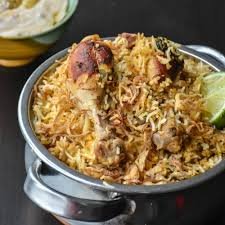
- Biryani: 80–85°C (176–185°F) for perfectly cooked rice and meat
- Roast meats (Chicken, Lamb, or Pork): 70–75°C (158–167°F) for juicy, flavorful roasts
- Puddings, cakes, and traditional Indian sweets (like gajar ka halwa): 85°C (185°F) for the right consistency
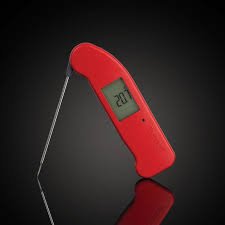
Using a cooking thermometer ensures that the meat is fully cooked and that your dishes are served at their best—moist, juicy, and flavorful. An instant-read thermometer can be perfect for quick checks, while oven-safe or probe thermometers are great for slow-cooked dishes.
How Thermometers Enhance the Taste and Texture of Your Winter Meals
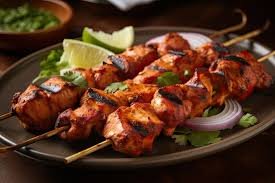
Winter cooking often means preparing rich, hearty meals that are slow-cooked to develop deep flavors. Using a thermometer helps you monitor the cooking process, preventing the risk of overcooked or dry meat, especially when making dishes like chicken kebabs, roast mutton, or dum biryani.
For baking, the right internal temperature ensures that cakes, bread, and puddings cook evenly, achieving the perfect rise and texture. A thermometer helps you avoid undercooked centers or dry, overbaked edges, especially when preparing delicate sweets like rasgulla or barfi.

Choosing the Right Thermometer for Your Indian Kitchen
Different winter dishes require different thermometer types. An instant-read thermometer is ideal for quick temperature checks when grilling or pan-frying. If you’re roasting or slow-cooking meats like a roast chicken or preparing dum biryani, an oven-safe or probe thermometer will allow you to monitor temperature over longer cooking times.
Digital thermometers are also easy to use and highly accurate, making them a must-have kitchen tool for every Indian cook.

Make Winter Cooking Safer, Easier, and More Delicious
This winter, make your cooking easier, safer, and more delicious by incorporating a food thermometer into your kitchen routine. Whether you’re preparing a traditional mutton korma, baking a festive gâteau for Diwali, or making your favorite winter curry, the right cooking temperature ensures that your meals are not only safe but also full of flavor.